
📌 Intro: The Trillion-Dollar Misconception in U.S. Retirement
Ask any middle-aged professional or senior in the U.S. how they plan to pay for a nursing home or assisted living if they get sick, and nine out of ten will confidently answer: “That’s what Medicare is for.”
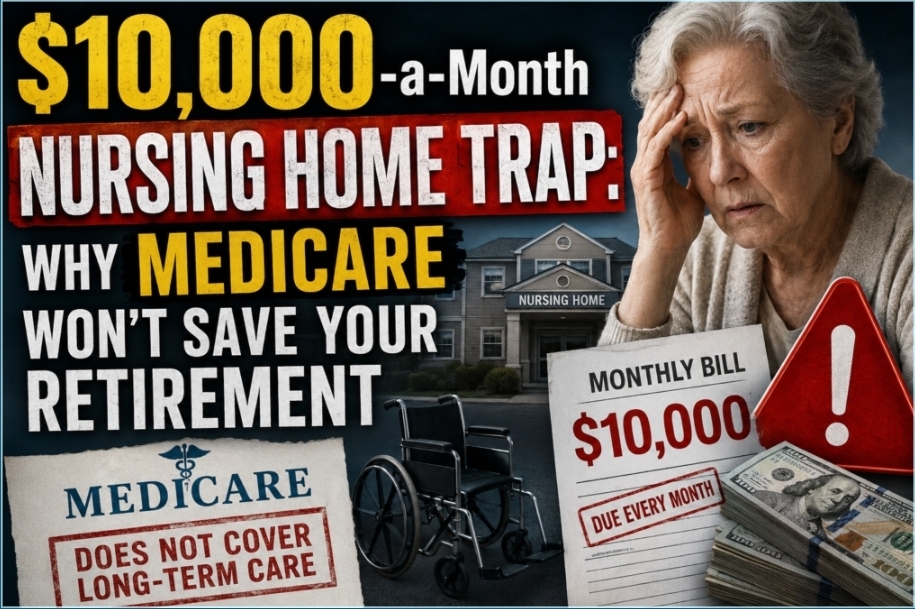
This is perhaps the most dangerous financial misconception in America. Medicare does NOT cover long-term care (custodial care). Relying on this myth is the number one reason middle-class families watch their lifetime savings evaporate in a matter of months when a health crisis hits. Here is the brutal reality of Long-Term Care (LTC) and how to actually prepare for it.
💸 The Shocking Math: What Long-Term Care Actually Costs
Long-term care isn’t just medical treatment; it’s assistance with basic daily activities (eating, bathing, dressing). Because it requires round-the-clock human labor, the costs are staggering.
- Home Health Aide: Easily tops $4,500 to $5,500+ a month for just part-time care.
- Assisted Living Facility: Averages around $5,000 to $6,500 a month for a private room.
- Private Nursing Home Bed: Frequently costs between $8,500 and $11,000+ a month ($100,000+ per year).
In high-cost states like New York or California, these numbers can double. Without a plan, a three-year stay in a nursing home can completely wipe out a million-dollar nest egg.
⚠️ The Reality Check: Medicare vs. Medicaid
To protect your wealth, you must understand the rigid boundaries between the two major government programs:
• Medicare (For Everyone 65+):
Only covers rehabilitative, short-term care. If you break a hip, Medicare pays 100% for the first 20 days in a skilled nursing facility, and part of the cost up to day 100. On day 101, Medicare cuts you off completely. They pay $0 for long-term chronic care.
• Medicaid (For Low-Income/Asset-Structured Individuals):
This program DOES cover unlimited long-term nursing home care. However, because it’s a welfare program, you cannot qualify unless you have virtually no assets left—unless you use the legal asset protection trust strategies (like the MAPT strategy mentioned in our previous guide).
🛡️ 3 Smart Ways to Shield Yourself Beyond Medicaid
If you do not want to rely on Medicaid or go through the strict 5-year look-back asset structuring, you have three modern alternatives:
- Hybrid Life Insurance with LTC Riders: Traditional LTC insurance is dying out because premiums keep skyrocketing. Instead, smart planners use “Hybrid” policies. If you need long-term care, the policy pays out tax-free monthly benefits. If you die peacefully without ever needing care, the money goes to your children as a tax-free life insurance death benefit. Your money is never wasted.
- Long-Term Care Annuities: You deposit a lump sum into a specialized annuity. If you trigger an LTC event, the insurance company multiplies your investment (often 2x or 3x) to pay for your nursing care tax-free.
- Health Savings Accounts (HSA): As highlighted in our wealth-building guides, HSA funds compound tax-free over decades and can be withdrawn 100% tax-free during retirement to pay for qualified long-term care insurance premiums or direct medical care.
🏁 Conclusion: Hope is Not a Financial Plan
Statistically, nearly 70% of Americans turning 65 will need some form of long-term care services in their remaining years. Ignoring this reality won’t make it disappear; it will only shift the devastating financial and emotional burden onto your spouse and children.
Whether you choose to structure your assets to qualify for Medicaid later, buy a modern hybrid insurance policy, or aggressively fund an HSA today—do something. Talk to an independent financial advisor or elder law expert to build your firewall before the crisis dictates your choices.