
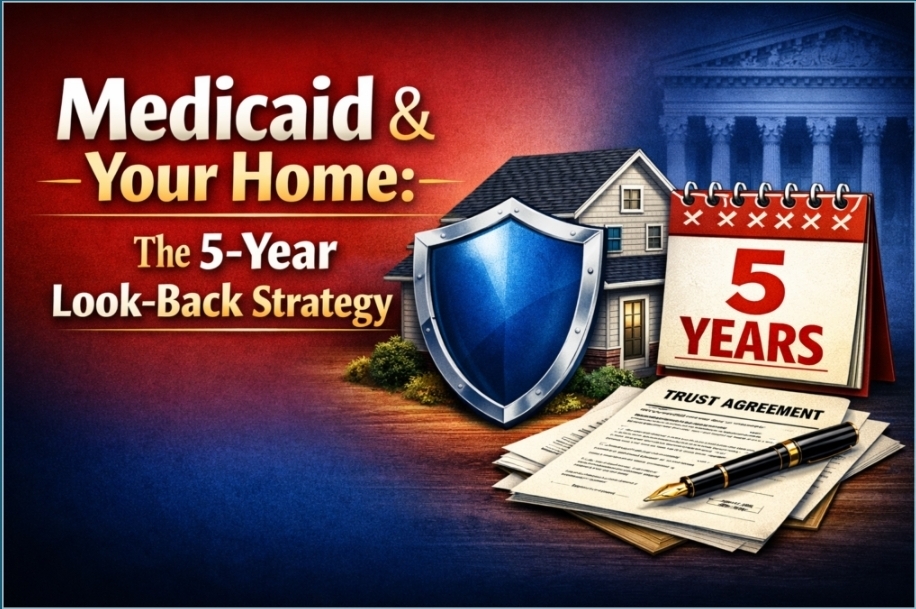
📌 Intro: The Terrifying Myth of “Selling Your House” for Medicaid
When long-term care or nursing home care becomes inevitable in the U.S., many families panic. A common rumor flies around: “You have to sell your family home and spend all your money before Medicaid kicks in.”
While it is true that Medicaid is a low-income assistance program with strict asset limits, you do NOT necessarily have to lose your home. However, if you apply without a strategic plan, the government can legally claim your property after your passing through a process called Medicaid Estate Recovery. Here is the highly specific, niche strategy to protect your primary residence legally.
🏠 Is Your Primary Residence a “Countable Asset”?
For initial Medicaid eligibility, your primary residence is generally considered an exempt (non-countable) asset, provided your equity value is under a certain state-specific threshold (often ranging from $713,000 to over $1,000,000 depending on where you live) and you or your spouse intend to return home.
The Catch: Just because it’s exempt during your lifetime doesn’t mean it’s safe forever. If Medicaid pays for your nursing home care, the state will place a lien on your estate after you pass away to recoup their expenses. This is why advance legal structuring is critical.
🛡️ The Golden Strategy: Medicaid Asset Protection Trusts (MAPT)
The most bulletproof way to shield your house is transferring it into a Medicaid Asset Protection Trust (MAPT). Unlike a standard revocable living trust, a MAPT is an irrevocable trust specifically designed for elder care planning.
- 1. Removing Ownership: Once your house is placed inside a MAPT, you no longer legally own it. Therefore, Medicaid cannot count it as your asset, nor can they touch it during Estate Recovery.
- 2. Beating the 5-Year Look-Back Period: In almost every state, Medicaid reviews all asset transfers made within 5 years (60 months) prior to your application. If you move your house into a trust today, you must wait 5 years before applying to avoid heavy penalties. Proactive planning is everything.
- 3. Retaining Life Estate Rights: Even though the trust owns the house, you can legally secure the right to live in it for the rest of your life, maintaining complete peace of mind.
🚨 What If You Don’t Have 5 Years? (Crisis Spend-Down Strategies)
If a medical emergency happens and you need Medicaid immediately, you cannot use a MAPT. Instead, you must look into permissible spend-down methods that don’t trigger penalties:
• Paying off an existing mortgage on the exempt home.
• Investing in home modifications (e.g., wheelchair ramps, walk-in tubs).
• Utilizing Spousal Impoverishment Protections to transfer assets to a healthy spouse.
💡 Key Exceptions: When the House is Automatically Safe
The state cannot force Estate Recovery or place a lien on your home if certain family members still reside in it:
- Your spouse is still living in the house.
- Your child under age 21, or a child who is blind/permanently disabled lives there.
- A Caregiver Child who lived in the home for at least 2 years prior to your institutionalization and provided care that delayed your nursing home entry.
🏁 Conclusion: Take Control of Your Legacy Early
Medicaid planning is not about breaking the law; it is about utilizing the complex U.S. legal and tax framework to preserve your hard-earned generational wealth. Gifting your house directly to your kids can ruin your eligibility and trigger massive tax headaches, whereas utilizing trusts ensures total protection.
Don’t wait for a healthcare crisis to force your hand. Consult with a qualified elder law attorney in your specific state to start mapping out your asset protection plan today.